
Case Studies · Nova Paint-Tech
Practical engineering.
Measurable improvements.
From robotic integration to getting an idle line running again, see how we help manufacturers use less material, understand their process and keep production moving.
with robotic automation
electrostatic gun upgrade
from colour-change optimisation
after over a year of downtime
Explore our project achievements
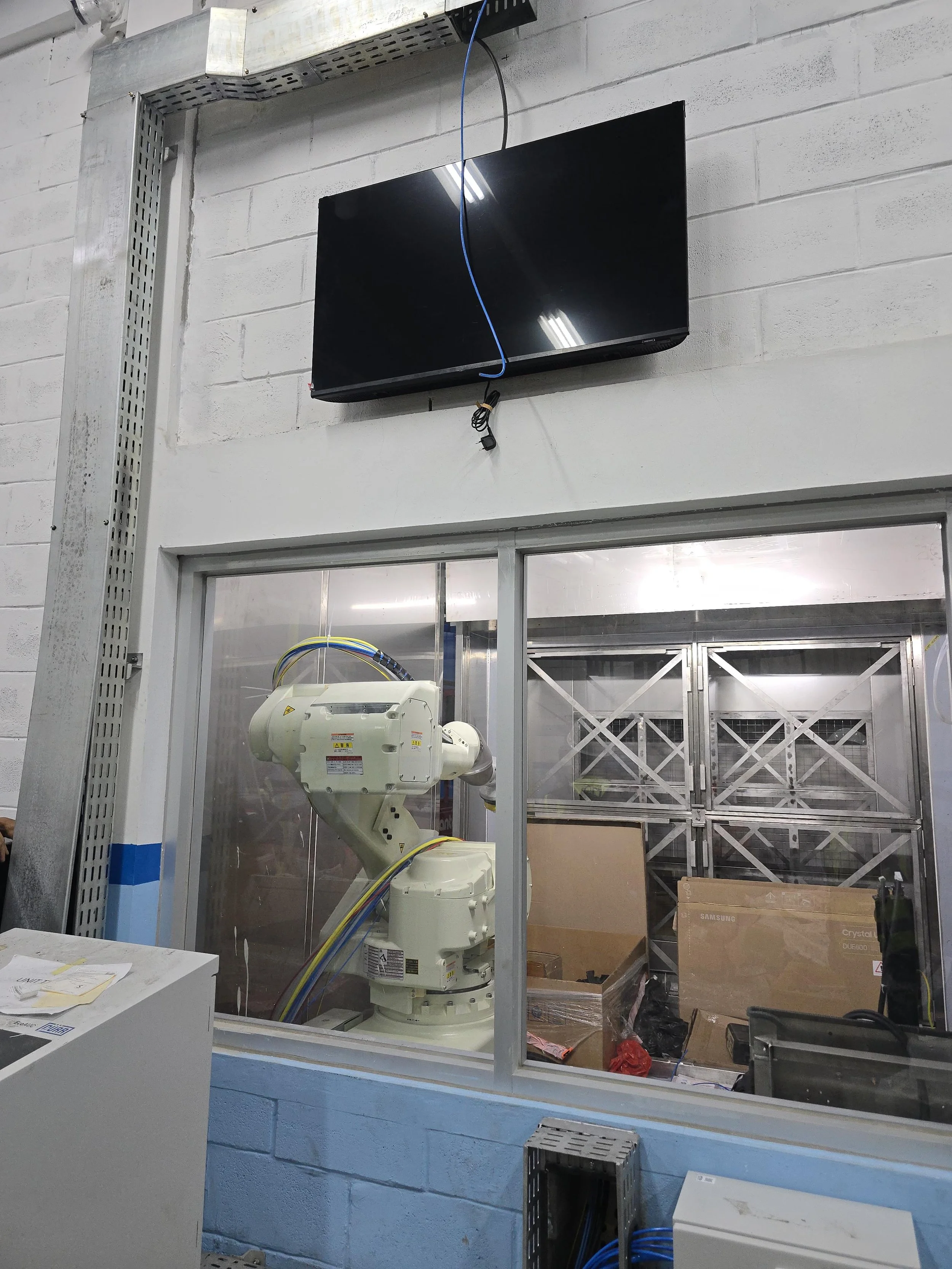
From semi-automatic to fully robotic painting
A painting process using a semi-automatic reciprocator line was upgraded to full robotic automation, reducing the amount of paint required for each piece.
Read the project story
The challenge
Improve material efficiency while moving from reciprocator-based application to a fully integrated robotic painting process.
Our approach
Nova Paint-Tech installed, integrated and commissioned robotic painting systems, bringing application equipment, paint supply and controls together. The handover included operating documentation and training for operations and maintenance teams.
The result
Paint consumption per piece decreased by 20% compared with the previous semi-automatic line.
Electrostatic application with a fast payback
Replacing conventional spray guns with electrostatic guns reduced paint consumption and delivered a three-month return on the investment.
Read the project story
The challenge
Reduce material losses from conventional manual spraying while maintaining the required finish quality.
Our approach
We installed the electrostatic gun system, integrated the controller, air and fluid connections, and completed grounding checks and commissioning. Application settings were adjusted through production trials.
The result
The upgrade achieved a 20–30% reduction in paint use. The investment paid back after three months.
Make painting parameters visible
Live paint-process parameter visualisation helped the production team recognise abnormal conditions and troubleshoot them more effectively.
Read the project story
The challenge
Give operators and maintenance teams better visibility of the painting process when performance moves away from normal conditions.
Our approach
We installed and commissioned a parameter-tracking system connected to the application controls and HMI. Recorded parameters could be exported for review alongside the live process view.
The result
The team gained a clearer basis for recognising deviations, investigating abnormal conditions and troubleshooting the painting process.
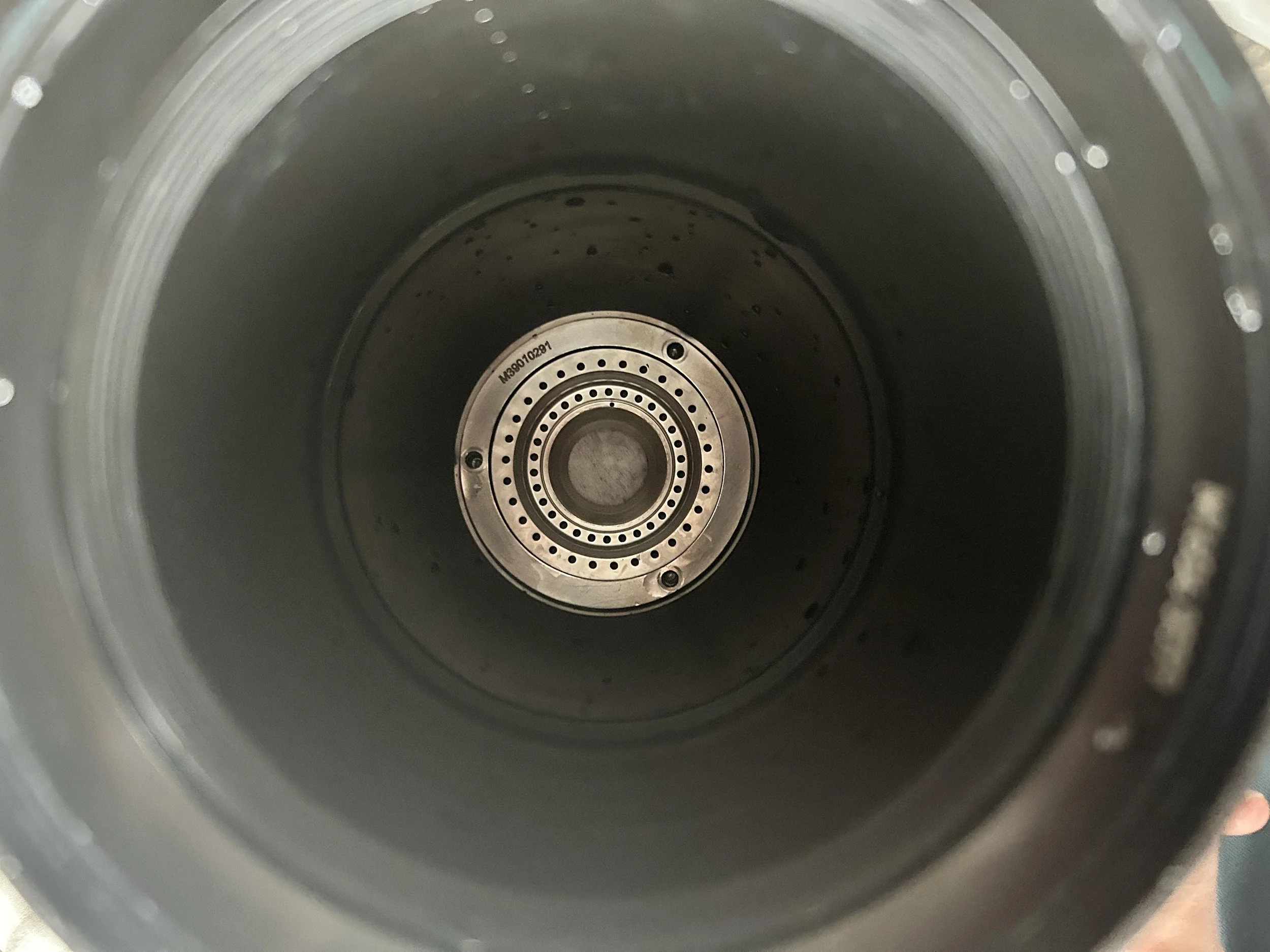
Maintain performance before problems develop
A yearly preventive maintenance programme supports dependable production through scheduled inspection, servicing and replacement of worn components.
Read the project story
The challenge
Keep an operating paint application system in good condition and address component wear during planned maintenance.
Our approach
Our work included cleaning atomizers, pumps and shaping-air components; replacing selected seals, hoses, filters and other worn parts; and recommissioning the application system.
The result
The serviced equipment was recommissioned for production. Regular preventive care helps the team manage wear and reduce the risk of avoidable interruptions.
A more efficient colour-change sequence
Optimising the colour-change and flushing sequence cut solvent usage and the associated VOC by 50% for the process.
Read the project story
The challenge
Reduce repeated flushing, unnecessary solvent consumption and the time spent carrying out colour changes.
Our approach
We revised the control sequence from three separate 16-second flushing operations to one 23-second operation, simplifying the sequence for the operating team.
The result
The optimised sequence reduced solvent usage and VOC by 50%, with fewer operator steps during the changeover.
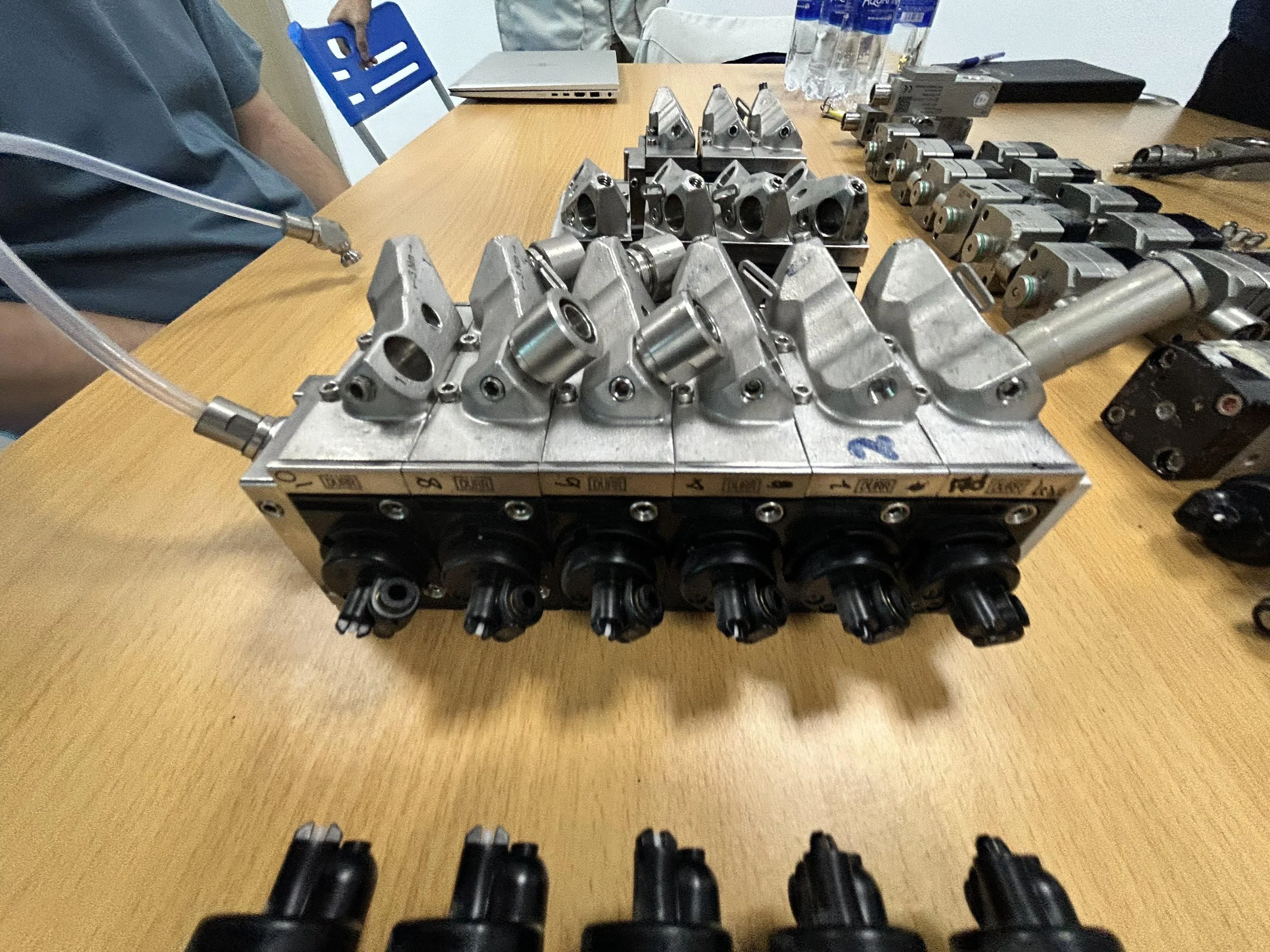
Restarting a line idle for over a year
A painting line that had been out of operation for more than a year was brought back into operation within two days of on-site work.
Read the project story
The challenge
Identify the faults preventing operation and establish a practical route to restoring the painting system.
Our approach
We assessed the application equipment, material circuit and control connections, cleaned and repaired recoverable components, and rectified faults on site. The assessment also identified parts requiring follow-up replacement or overhaul.
The result
Operation was restored within two days on site, supported by recommendations for further refurbishment, operating practices and preventive maintenance.
Results shown relate to these individual projects and their operating conditions. Customer identities and the products they manufacture are kept confidential.
What could your painting process achieve?
Tell us about your equipment, material consumption or production challenge. We’ll help identify a practical next step.